
Unify IT and OT to unlock building-wide insights, cut energy waste, and drive smarter, more responsive operations.
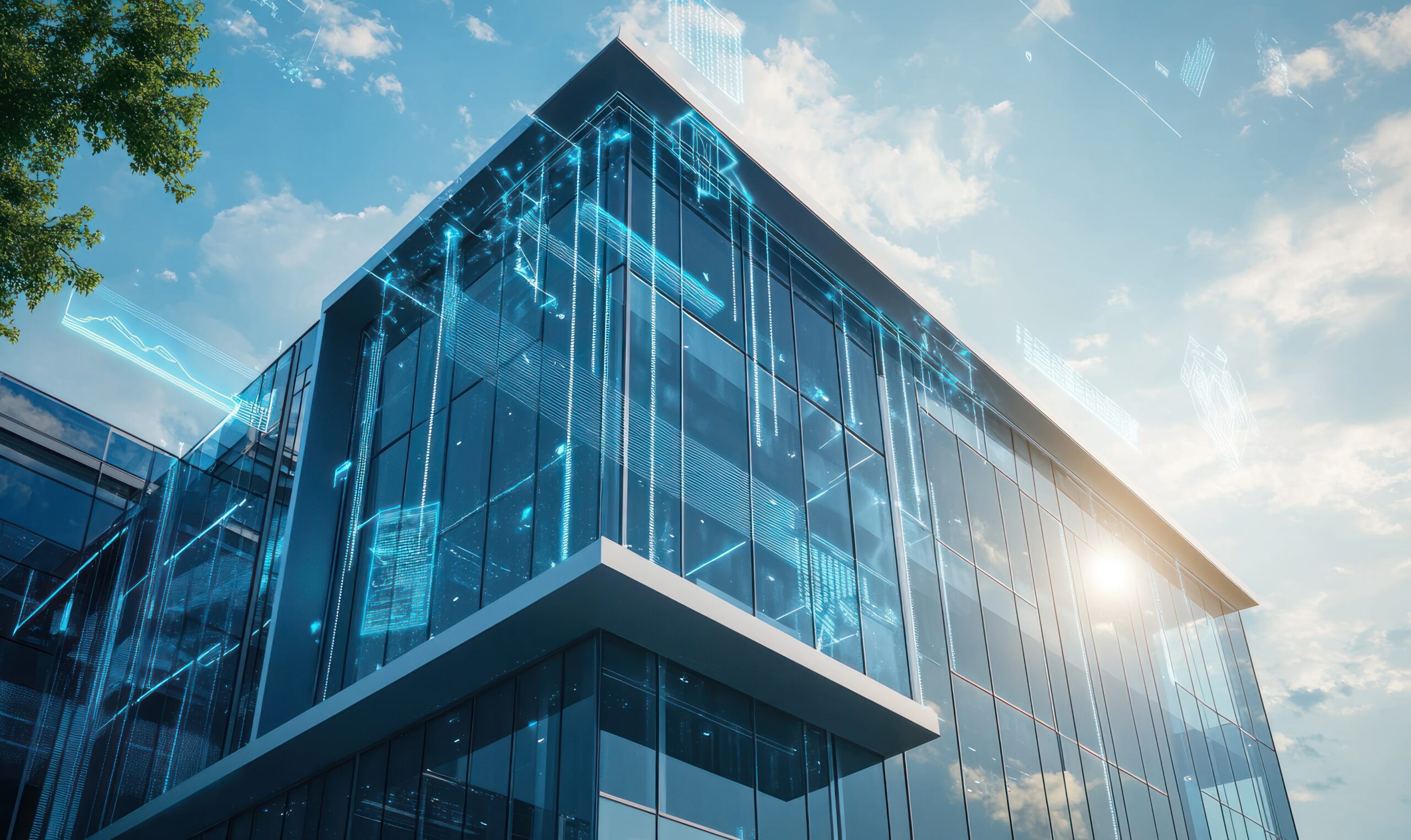
Converging Worlds: How IT/OT Integration Empowers Smarter Building Management
Part 5 of a series
Abstract
Traditionally, Information Technology (IT) and Operational Technology (OT) systems operated in entirely separate domains and shared little or no meaningful data or control. In part, this was due to both environments using different communication protocols, which made integration difficult, expensive, or even impossible.
Today, the almost ubiquitous use of IP-based connections has enabled the integration of both networks, giving building managers a more holistic view of the environments they manage.
The demand for “smarter buildings” is bringing the two domains closer together, with increasing pressure from building owners to integrate the functionality of IT and OT to achieve business and environmental objectives.
Talk to Frame to learn how we can assist your organisation through the use of integrated technology solutions.
The Role of an Integrated IT/OT Solution to Assist Building Managers
-
- Identifying inefficiencies: Building managers can detect instances of excessive energy use and make informed adjustments to settings or operational schedules.
- Automated controls: Systems can be programmed to optimise energy usage by reducing consumption during off-peak hours or via integration with other systems, such as occupancy monitoring.
- Real-time monitoring: Integrated IT/OT systems continuously collect data on various parameters (energy use, occupancy, air quality), which can be analysed to optimise building performance.
- Predictive maintenance: Data analytics can forecast system failures, enabling preventive maintenance, reducing downtime, and avoiding costly repairs.
Integrated Analytics: Smarter Decisions
With the integration of IT and OT environments, it’s now possible to use tools such as machine learning (ML) and AI to analyse data and assist with more strategic decision-making:
-
- Predictive maintenance: Monitoring tools collect data from IT and OT devices and analyse equipment performance to anticipate failures before they occur.
- Energy optimisation: Machine learning adjusts HVAC and lighting based on occupancy patterns and weather conditions.
- Event detection: ML and AI tools analyse IT and OT data to determine “normal” building behaviour. Significant deviations trigger alerts and, where thresholds are met, automated actions.
Continuous Monitoring and IoT: Real-Time Responsiveness
IoT devices and on-site computing are foundational to modern building systems and enable real-time responsiveness.
Benefits:
-
- Real-time data collection from smart thermostats, air quality monitors, and energy meters complements IT monitoring, allowing both environments to be managed from a single console.
- Event-driven automation—such as adjusting lighting based on occupancy or triggering alarms from sensors (e.g. smoke detectors)—ensures safety and energy efficiency in real time.
Open Architectures and Interoperability
One of the biggest hurdles to IT/OT integration has been the use of proprietary communication protocols and hardware. This not only led to vendor lock-in but made upgrades and enhancements difficult.
Impact:
-
- Adoption of standard OT protocols like BACnet or Modbus enables simpler integration across vendors—both support IP connectivity to facilitate convergence with IT systems.
- Reduces vendor lock-in and simplifies system upgrades and expansion.
Case Studies
Case Study 1: Integrated Security Systems
Background: A large commercial office building in Sydney implemented an integrated security system combining IT and OT.
Implementation: Smart cameras, access control, and real-time monitoring were managed through a unified platform.
Outcome: A 30% reduction in security incidents and a 20% decrease in security personnel costs due to more efficient monitoring and response.
Case Study 2: Tenant Experience Enhancement in a Smart Building
Background: A smart building in Perth focused on enhancing tenant experience through IT/OT convergence.
Implementation: Integrated systems for climate control, lighting, and personalised access were managed via a tenant app on a singular Integrated Communications Network (ICN).
Outcome: Tenant satisfaction increased by 40%, leading to higher occupancy rates and rental income.
Case Study 3: Tenant Visibility via OT/IT Convergence
Background: A large property development firm introduced an AI-enhanced experience app to centralise tenant interactions.
Implementation: Through a converged IT/OT environment, data from multiple systems was made accessible to tenants for building access, service requests, and more.
Outcome:
-
- 22% reduction in maintenance response times
- 12% increase in tenant satisfaction (survey scores)
- Improved service delivery via proactive, data-driven support
Challenges and Considerations
Data Storage:
Both BMS and network management tools generate massive amounts of data—especially when integrated across large precincts. It’s essential to implement robust data management solutions and processes.
Delineation of Responsibility:
As IT/OT integration deepens, the traditional divide between building and network management diminishes. CIOs, building managers, and engineering teams must collaborate closely. Integration initiatives should consider the people impact and operational adjustments required.
Future Outlook
-
- Facilitating IoT Usage: IT/OT convergence enables broader deployment of IoT devices like environmental sensors and lighting controls. These can further drive energy efficiency and be centrally monitored via ICN systems.
- Cloud-Hosted Solutions: As convergence accelerates, cloud-based platforms will become more common. Many solutions now come with pre-configured monitoring and reporting modules, allowing rapid deployment and easy customisation.
Conclusion: The intersection of OT and IT
Tenants today expect more than just office space — they want smart environments that are flexible, sustainable, and high-performing.
A key enabler of this shift is the integration of IT and OT systems. It allows for predictive maintenance, energy optimisation, detailed reporting, resilient network infrastructure, and real-time KPI tracking.
There are clear opportunities to improve efficiency, reduce costs, and attract premium tenants by exploring emerging IT/OT integrations.
Talk to Frame to learn how we can assist your organisation attract high value clients through the use of integrated technology solutions.